tea.restaurant
the community for restaurant tea programmes
built for the owner who needs to know a Chinese tea programme pays for itself before hiring a consultant, the sommelier who has to build a pairing menu and train the floor to serve it with confidence, and the buyer who wants tea by the kilo at a transparent per-cup cost instead of retail tins — this is where real-world service questions meet the depth of Chinese tea tradition, hosted by Teamotea.
- 16
- practitioner discussion threads
- 10
- gatherings, pop-ups and roundtables
- 4
- structured cohort programmes
- 6
- resident tea experts
conversations from the pass
what restaurateurs are discussing right now
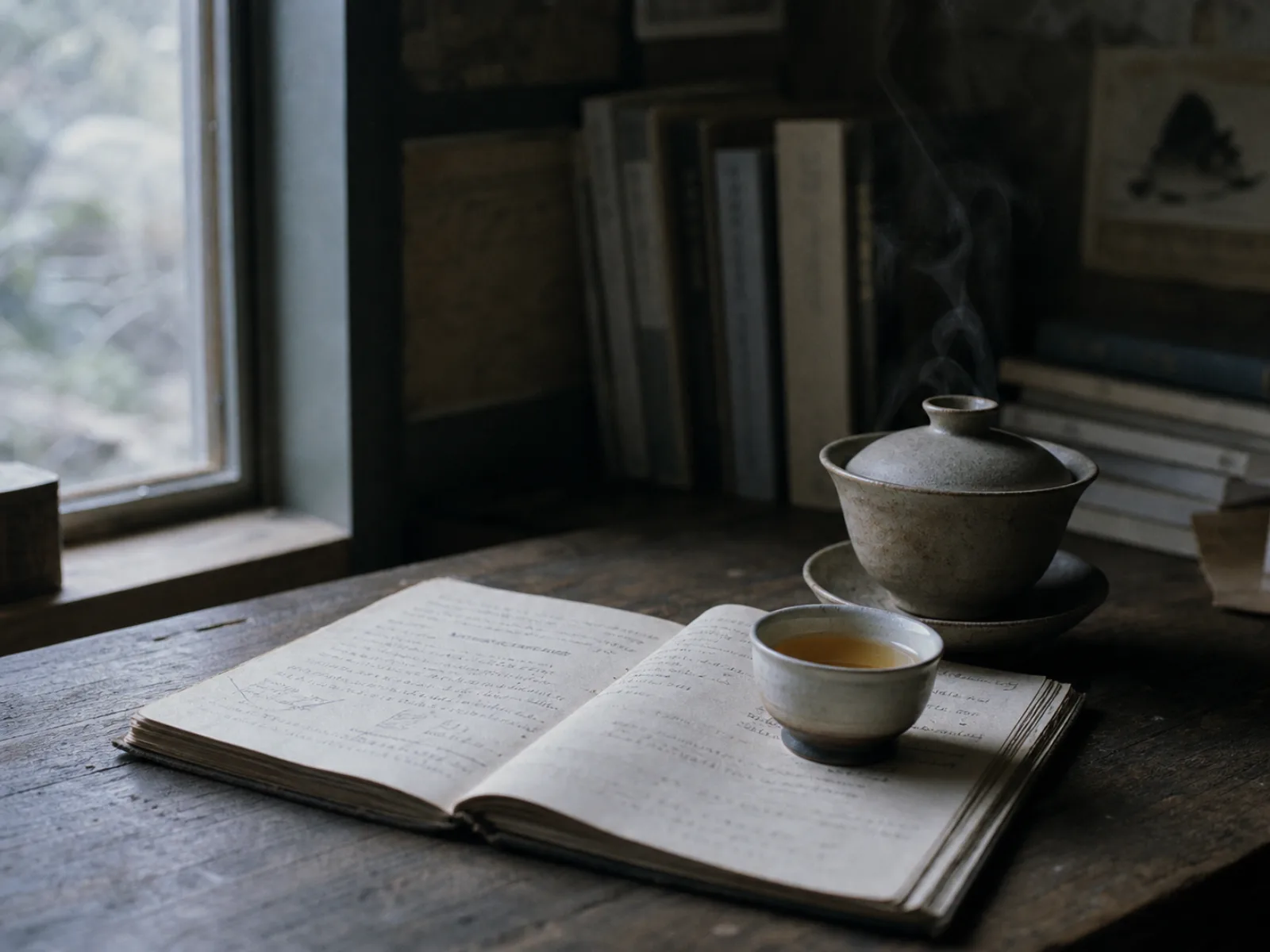
the most candid conversations in hospitality happen when no diners are listening. in threads like 'tasting-menu pairings' and 'cost-of-goods on a tea programme', chefs and sommeliers break down real numbers and real mistakes — a Fúdǐng silver needle that goes bitter by the seventh table, or a Yúnnán shēng pǔ'ěr (生普洱) that needs a 30-second steep at 92°C to sing. for the theory behind these practical threads, tea.school offers structured courses that ground you in the terroir and processing.
- — 01
tasting-menu pairings: what we learn from a six-tea progression
Sommeliers and tea directors share how Chinese teas anchor a seven‑course progression — where dancong’s florals lift, shú pǔ’ěr grounds, and a single misstep can unbalance an entire evening.
- — 02
training floor staff on tea: scripts, tastings and the two-brew rule
How to build a concise, memorable tea knowledge programme for service staff — without turning the pre-shift meeting into a masterclass. A framework drawn from real restaurant floors in Hunan, where Zhou Xiang has coached teams on green, yellow, and black teas.
- — 03
cost of goods on a tea programme: from 2% to 12% of beverage revenue
Most restaurateurs fixate on wine markups while tea floats under the radar — but on a busy service, loose leaves quietly burn a hole in your COGS if you never run the numbers. Here’s the real math from Yunnan to London, straight from the procurement desk.
upcoming gatherings
where the community meets in person
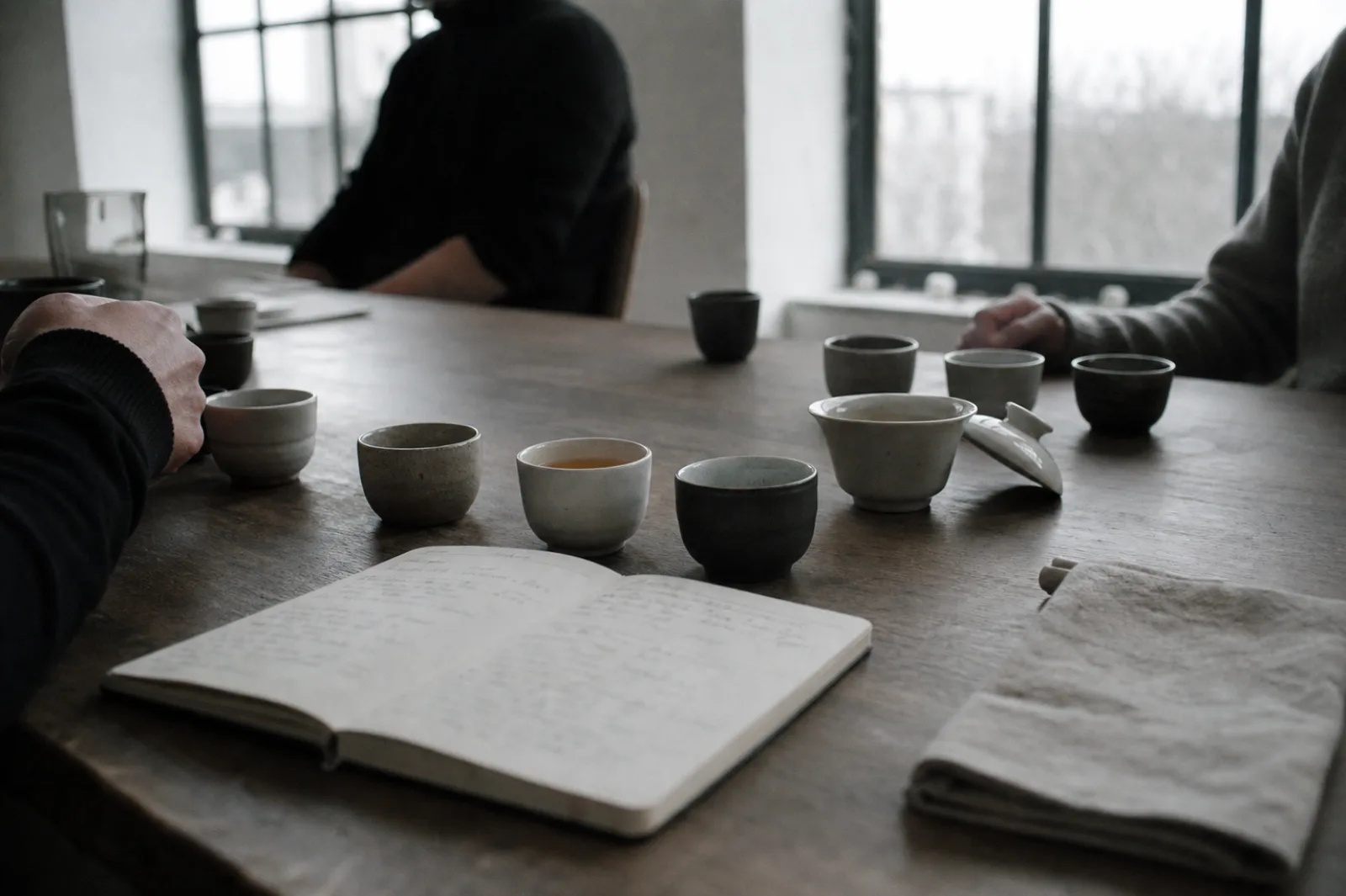
once a season, the conversation moves from screen to table. somm day gathers head sommeliers to build Michelin-starred pairings around a single tea — often a mí lán xiāng (蜜兰香) from Fènghuáng Mountain, Guangdong, whose honey-orchid warmth becomes a bridge between pigeon and chocolate. for the full calendar and travel notes, see tea.events. hosted by senior tea experts from the Teamotea roster — mei yang, zhou xiang and chen hui yi lead this season's gatherings.
the restaurant programme build
a structured cohort for your tea programme
the twelve-week restaurant programme build is the backbone of tea.restaurant's educational work. led by senior tea expert Mei Yang and senior experts from the Teamotea roster, the cohort takes you from blank page to a fully documented tea list — selecting aged shēng pǔ'ěr (生普洱) that performs under pressure, balancing a clean glass of cold-brewed bái chá (白茶) alongside a quenelle of sorbet, and training the entire front-of-house team to speak tea with the same ease they describe wine. for individual skill-building outside the cohort, tea.school's self-paced courses complement the hands-on work perfectly.
restaurant programme build
A twelve-week live cohort for restaurant teams ready to design, source, and launch a Chinese-tea programme that sits confidently next to a wine list. Led by Senior Tea Expert Mei Yang, the sessions blend tasting, menu engineering, and supplier relationships — so that when service begins, your staff and your guests taste the difference.
led by Mei Yang · 12 weeks, starting 8 April 2026 · €2400 / restaurant
for restaurants and HoReCa buyers